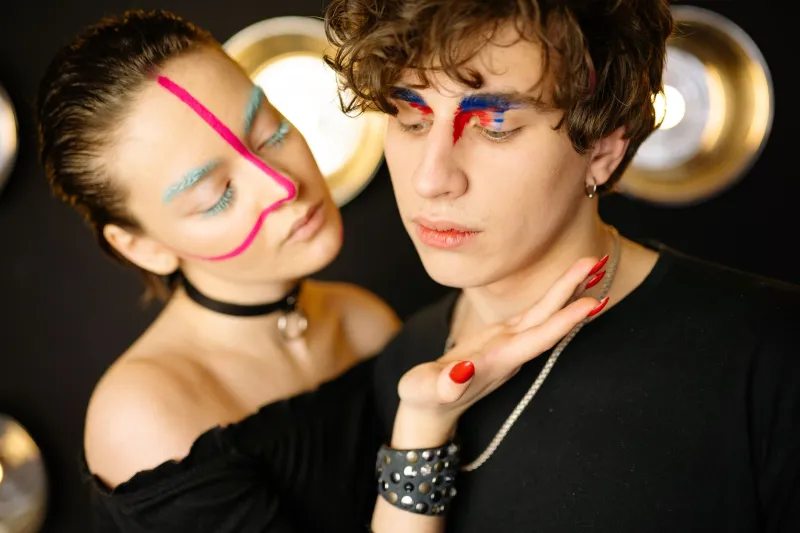
Scene Hair, Paranormal YouTube, and the Beautiful Chaos of Loving 'Cringe' Without Apology

Somewhere in America right now, a nineteen-year-old is at a thrift store, triumphantly pulling a studded Hot Topic belt from a rack, texting their friends a photo with the caption "found it." Across the country, someone else is three hours deep into a paranormal investigation YouTube channel filmed in 2009 on what appears to be a potato. The audio is terrible. The "evidence" is a smudge on a window. They are completely, sincerely hooked.
Welcome to the Cringe Renaissance. It's weird, it's wonderful, and millennials are watching from the sidelines with a very complicated mix of vindication and confusion.
What Even Is the Cringe Renaissance?
For context: there was a period — let's call it roughly 2014 to 2021 — when the dominant internet aesthetic was cool detachment. Irony was armor. Admitting you genuinely liked something without a protective layer of self-awareness was social suicide. Scene kids from 2007 grew into adults who buried their Myspace photos like crime evidence. People quietly untagged themselves from their Hot Topic era. The emo phase became The Phase We Do Not Discuss.
Then something shifted.
TikTok, with its algorithmic chaos and its audience of Gen Z creators who were either too young to remember the original embarrassment or simply unbothered by it, started surfacing this stuff — and not ironically. Videos celebrating scene fashion, unironic love letters to early-2000s mall goth aesthetics, and earnest appreciation for absolutely unhinged paranormal content started racking up millions of views. The comments weren't laughing at it. They were enthusiastically for it.
"I never understood why people were embarrassed about this stuff," says one TikTok creator in her early twenties who posts about early-2000s subcultures. "It's just cool. The fashion is interesting. The music is interesting. The fact that it was considered embarrassing is the weird part."
The Thrift Store as Time Machine
If you want to understand the Cringe Renaissance in physical form, go to a Goodwill near a college campus on a Saturday morning. You will find Gen Z shoppers with a very specific target list: chunky platform shoes, fishnet anything, band tees from bands that peaked in 2006, brightly colored accessories that would have been sold at Claire's alongside lip gloss and butterfly clips.
This isn't vintage shopping in the traditional sense — nobody's hunting for mid-century furniture or classic Levi's. This is specifically, deliberately the stuff that was considered tacky, try-hard, or embarrassing within living memory. The more objectively chaotic the item, the better.
Thrift culture and the Cringe Renaissance are deeply intertwined because thrift stores are essentially accidental museums of cultural shame — full of things people donated specifically because they no longer wanted to be associated with them. Gen Z has been raiding those museums with genuine enthusiasm.
Paranormal YouTube and the Joy of Bad Production
Somewhere separate from fashion but equally central to this cultural moment: the resurrection of low-budget paranormal content.
Channels like early Ghost Adventures, obscure local ghost hunting groups posting shaky-cam cemetery walks, and the entire genre of "two guys with a recorder and absolutely no production budget investigating a mildly spooky shed" have found massive new audiences. These aren't people watching ironically, the way you'd watch a bad movie to mock it. They're watching because there is something genuinely compelling about unpolished sincerity.
"The production quality is part of the appeal," says one Reddit user who moderates a community dedicated to early-2000s paranormal content. "It feels real in a way that slick, produced content doesn't. These people actually believe what they're doing. There's no brand deal. There's no aesthetic. It's just earnest weirdness and I find it completely charming."
This points to something important: the Cringe Renaissance isn't really about cringe at all. It's about authenticity. The things being reclaimed share a common thread — they were made or worn or loved by people who weren't trying to be cool. They were just being themselves, loudly and without apology.
Reclaiming Without the Shield
Here's where it gets genuinely interesting from a cultural standpoint: the older millennials who lived through the original embarrassment of these aesthetics are having a complicated experience watching the renaissance unfold.
Some are delighted — vindicated, even. Many of them never actually stopped loving this stuff; they just stopped talking about it publicly. The Cringe Renaissance has given them permission to un-bury it. Scene hair tutorials aimed at Gen Z audiences have comment sections full of people in their thirties saying things like "I never actually stopped doing this, I just hid it better."
Others are watching with something closer to bewilderment. "I spent years being embarrassed about my emo phase and now teenagers are doing it on purpose?" is a sentiment that appears, in various forms, approximately every forty-eight hours on Twitter.
But this is maybe the most valuable thing the Cringe Renaissance is doing: it's retroactively removing the shame from a lot of things that never deserved it. The scene kids and the mall goths and the paranormal enthusiasts weren't doing anything wrong. They were just enthusiastic about something, which is, when you strip away the social anxiety around it, a completely fine and human thing to be.
The New Normal Is Being Weird on Purpose
What makes this moment genuinely different from standard nostalgia cycles is the absence of irony as a coping mechanism. Previous nostalgia waves required a knowing wink — yes, I'm aware this is silly, that's the joke. The Cringe Renaissance largely dispenses with the wink. The enthusiasm is the point. The sincerity is the whole aesthetic.
On Reddit communities dedicated to early internet culture, on TikTok accounts celebrating Hot Topic fashion, in the comment sections of paranormal YouTube channels — the dominant energy isn't mockery. It's genuine affection. People are saying, without embarrassment: I like this. It makes me happy. I don't need to explain or justify that.
Which is, if you think about it, the least cringe thing imaginable.
The Hot Topic belt is in the cart. The ghost hunting video is queued up. The side bangs are being reconsidered.
Welcome back. We missed you.